
Chord Electronics Mojo 2: The Best DAC Upgrade for Your System
Posted by The Sound Organisation on Mar 4th 2026
Looking to upgrade your system, but want to make sure you're investing in the right place? What Hi-Fi tested three different Digital to Analog Converters to find out which is the best upgrade for your desktop audio system. In this three-way desktop DAC shootout, What Hi-Fi? pits three five-star favourites—Audiolab’s D7, Cambridge Audio’s DacMagic 200M and Chord Electronics’ Mojo 2—against each other as potential "instant upgrades" for a laptop-and-headphones setup. The test is grounded in a realistic use case: all three DACs are run from a MacBook Pro (streaming Tidal), and paired with multiple wired headphones including the Grado SR325x, Beyerdynamic DT 990 Pro X and Shure SRH1540, so the conclusions aren’t based on a single pairing or genre.

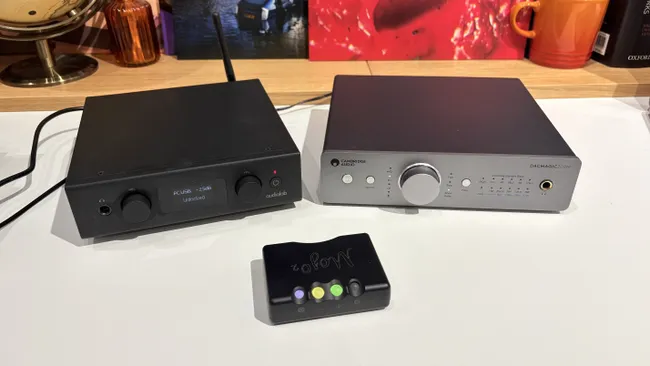
The article makes it clear early on that these products target the sweet spot where you’ve moved beyond "better than a laptop jack" and into genuinely hi-fi performance—without needing to rebuild your whole system. The Cambridge and Audiolab represent the more traditional desktop approach, offering broad connectivity, Bluetooth (aptX / aptX HD), full-size 6.3mm headphone outputs, and the kinds of features that suit a fixed desk system and potential future expansion into a full separates rig. In that context, Mojo 2’s win is notable because it doesn’t triumph by stuffing in extra inputs or convenience features—it wins on the core reason you buy a DAC/headphone amp in the first place: the sound.
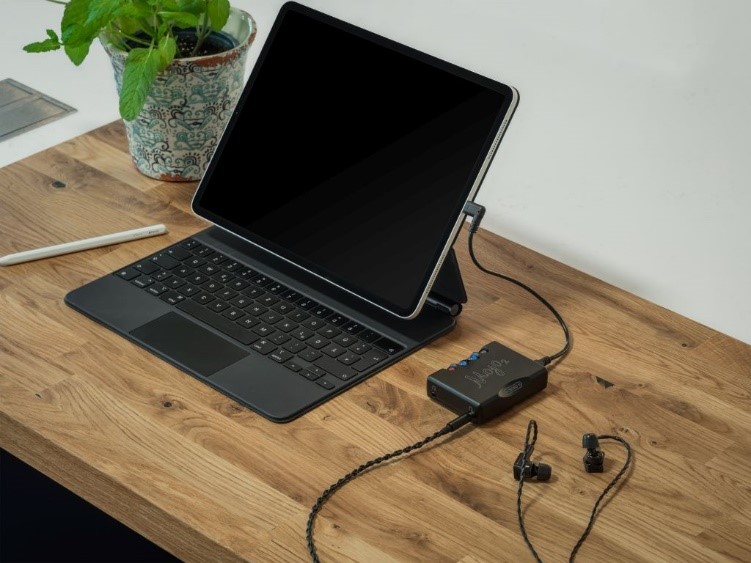
Where the Mojo 2 immediately differentiates itself is its "two lives" design philosophy. Unlike the mains-powered Audiolab and Cambridge, the Chord Mojo is explicitly portable: it runs on a battery (quoted as eight hours), charges over USB, and is small enough to slip into a bag without turning your commute into a moving van scenario. That portability isn’t treated as a side perk—it’s framed as a major advantage because it lets one purchase serve both desk duty and travel listening, something the other two simply can’t match. Even if your primary goal is a desktop lift, the idea that the same device can elevate a flight, a hotel stay, or an afternoon in a café is a practical, value-adding benefit.
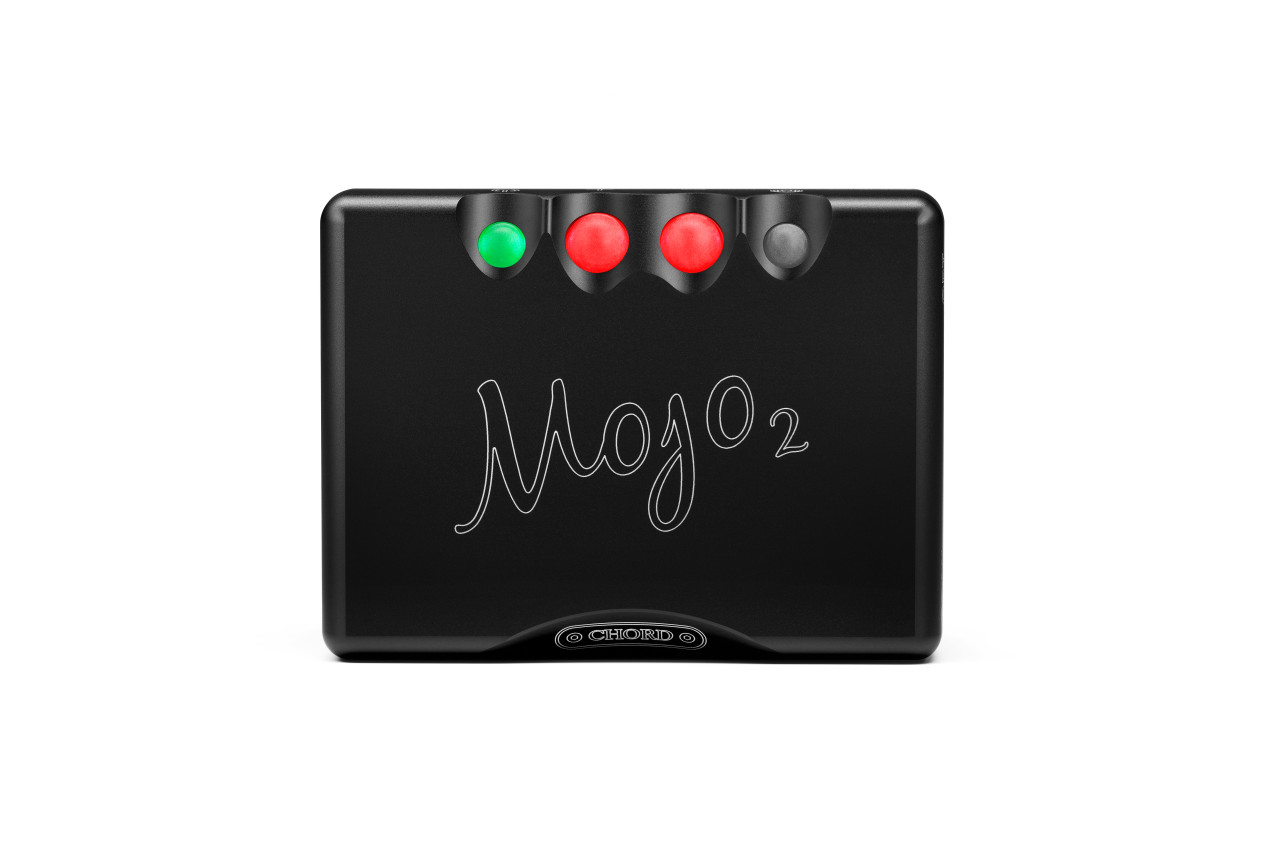
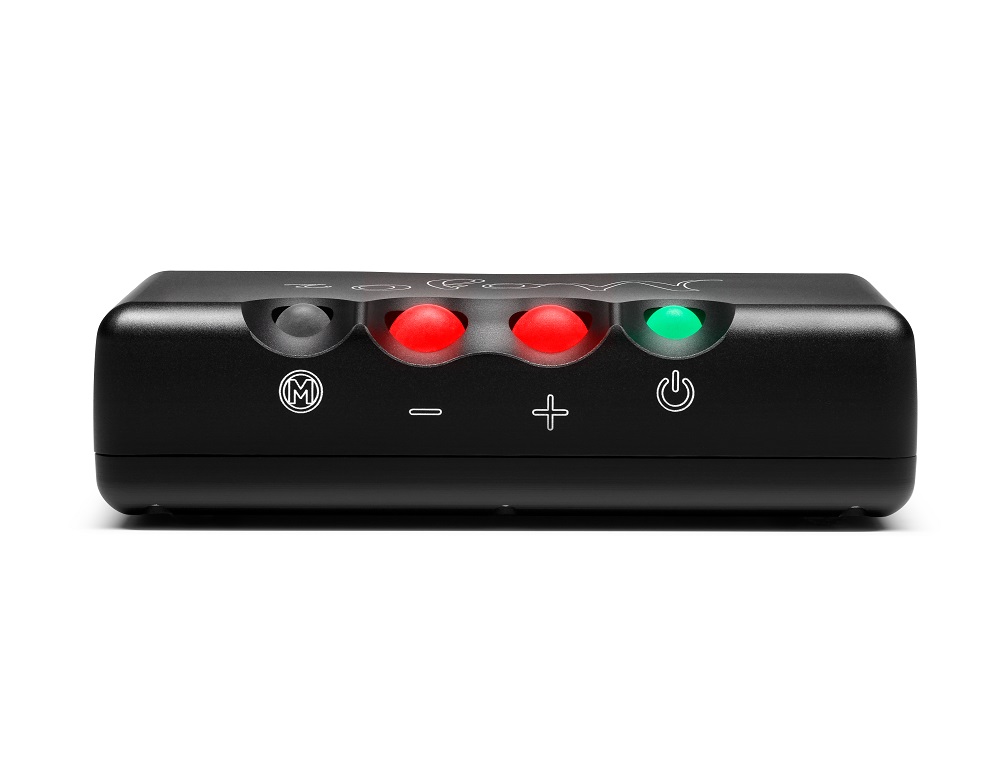
Mojo 2’s connections are simpler—and that’s presented as intentional rather than limiting. USB-C and a second USB input handle laptop duties, and there are two headphone outputs for sharing listening or running two pairs of headphones without constantly swapping plugs. The article also notes a 2026 revision that replaces one of the 3.5mm outputs with a 4.4mm Pentaconn connection, reflecting how common balanced headphone cabling has become. And while it doesn’t offer dedicated line outputs in the traditional sense, the headphone outputs can be used to feed a hi-fi system with the right adapter cables, so it still has a path beyond pure headphone use if your system evolves.
Still, the heart of the test is the listening verdict—and here the Mojo 2 is described in unusually emphatic terms. What Hi-Fi? acknowledges that the Audiolab D7 narrows the gap to the Chord, praising the D7’s spaciousness, clarity and neutral balance, and noting that both the D7 and Mojo 2 sound clearer, more detailed and more precise than the older Cambridge. But when the writers switch to Mojo 2, the language becomes about authorityit’s called the "standard to beat" at the price, with "clear sonic superiority" in this group. In other words, the Mojo 2 doesn’t merely edge a win—it’s presented as the reference point for what this money should buy.
What earns that status, according to the test, is a combination of technical virtues that translate directly into musical engagement. The Mojo 2 is singled out for rhythmic precision, punchy dynamic subtlety, and a clean, cohesive presentation that keeps complex music organised while still feeling alive. The review stresses how convincingly it conveys space and the "interplay" between instruments and vocals—suggesting not just detail for detail’s sake, but an ability to untangle arrangements so the performance makes emotional and musical sense. There’s also an emphasis on texture and tactility: instruments feel more real, not just more audible. A short line in the piece sums up the effect as music that feels vivid and attention-grabbing—engaging without needing artificial brightness or edge to create excitement.
Importantly, the article avoids dunking on the alternatives. Cambridge’s DacMagic 200M is praised for its smooth, full-bodied character and easy listening balance, and both the Cambridge and Audiolab are described as excellent upgrades with strong usability and versatility. The conclusion simply frames the choice: if features and conventional desk-friendly ergonomics are the priority, the D7 and DacMagic have real appeal. But if you want the most performance per pound—the clearest jump in musical insight, timing, dynamics and overall fidelity—Mojo 2 is the pick, and it does it while adding the bonus of true portability. That’s why the review lands on Mojo 2 as the "ultimate option" in this bracket: it delivers the kind of sonic uplift that makes a laptop-based system feel unmistakably high-end, without tying you to your desk.